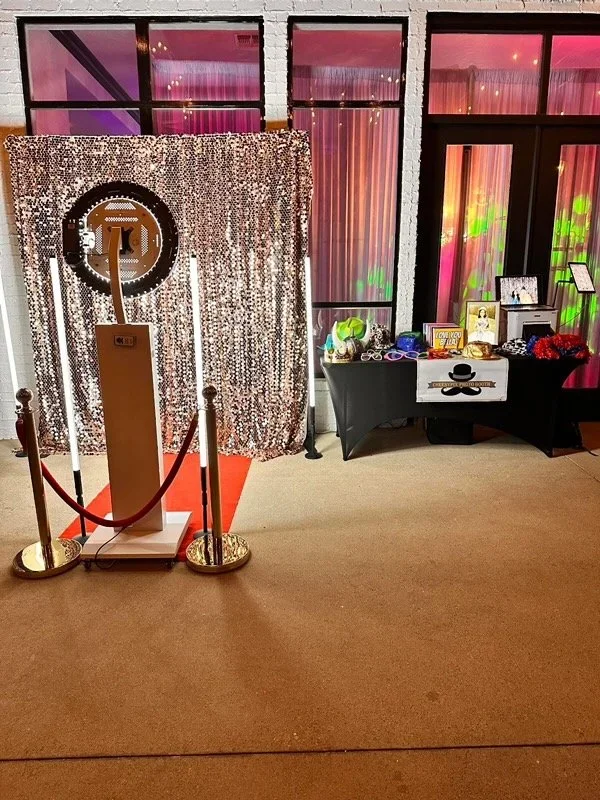
Three Hours of Booth Time Can Become An All-Day Job.
Setup, early venue access, room flips, waiting periods and teardown can add hours to an event. Your contract should explain what counts as guest-facing rental time and what happens when the schedule requires your equipment or staff to sit onsite before or between operating periods.
GET THE CONTRACT GUIDE + TEMPLATEThe clock starts before the first guest takes a picture.
A client may purchase three hours of photo booth service.
Your staff may still need to arrive an hour or more before that, unload cases, build the backdrop, connect equipment, test the booth, wait for the event to begin and then remain after closing to tear everything down.
None of that is unusual.
The problem begins when the client or venue assumes unlimited setup, waiting and teardown time is automatically included because the package says “three hours.”
Seven timing questions worth answering.
The exact policy depends on how your company schedules events and staff, but these issues are worth thinking through before they cost you half a day.
Does setup time count as rental time?
Most clients think of rental time as the period guests can actually use the booth.
Your agreement should distinguish operating hours from the time your staff needs to prepare the equipment.
How early does your team need access?
Setup requirements vary by booth type, venue access and package.
Establish how much reasonable pre-event access your company needs so the booth can be ready at the contracted start time.
Related: Photo Booth Venue Requirements
What if the venue requires very early setup?
Sometimes a ballroom must be completely set before guests arrive, even if your booth will not open for several more hours.
Decide whether unusually early setup is included, subject to availability or charged differently.
What counts as idle time?
Idle time is generally a period when your equipment or staff must remain committed to the event but the booth is not actively operating.
This may happen between a ceremony and reception, during dinner, during a room flip or because the client wants the booth closed temporarily.
Is idle time free?
That's a business decision.
A short pause may be easy to absorb. A four-hour gap can consume most of a staff member's day and prevent you from booking anything else.
If significant idle periods may create additional charges, make that clear before the event.
How much teardown time is required?
Your booth does not magically disappear at the contracted end time.
Equipment needs to be powered down, packed, moved through the venue and loaded safely.
Your client and venue should understand that teardown access is required after service ends.
What if the venue delays teardown?
Sometimes staff cannot access the booth because guests are still in the room, another program is happening or the venue prevents equipment removal.
If unusually long delays can create staffing or waiting charges, establish that policy ahead of time.
A “three-hour rental” has more than three hours in it.
Load-In & Setup
Unload equipment, build the setup, connect power and test everything.
Operating Hours
The contracted time during which guests use the photo booth.
Idle Time
Equipment stays onsite while service is temporarily paused.
Teardown
Pack, transport and safely remove the booth from the venue.
Event schedules can quietly eat your entire day.
The venue wants everything set by noon.
Your booth does not open until 7:00 p.m. That's not simply a normal one-hour setup anymore.
The booth closes during dinner.
If your staff and equipment stay onsite during the pause, decide whether that time counts toward the rental or is treated as idle time.
The room has to flip.
Your booth may need to be set early, moved, paused or protected while venue staff completely rearrange the room.
The client wants two separate operating blocks.
Two hours in the afternoon and two hours at night may require far more staff commitment than a continuous four-hour rental.
The venue will not let you tear down yet.
Service ended at 10:00, but the room stays packed until midnight. Your equipment and staff remain committed to the event.
The setup area is not ready.
Your staff arrives on time but waits while tables, décor or another vendor occupy the booth location.
The client is buying booth service. You're scheduling an entire crew.
The CheesyPix Photo Booth Contract Guide helps you think through setup, access, operating time, overtime, venue delays and the other timeline issues that can turn a short rental into a much longer job.
GET THE PHOTO BOOTH CONTRACT GUIDEThey're not the same thing.
Idle time
The booth is not operating, but the equipment, staff or both remain committed to the event.
This can happen before service begins, between operating periods or during a scheduled pause.
Overtime
The booth continues operating beyond the contracted service period.
Overtime typically relates to extra guest-facing service rather than waiting time.
Common questions about the hours nobody sees.
Does photo booth setup time count as rental time?
That depends on how your company defines the package. Many operators distinguish guest-facing operating time from reasonable setup and teardown time. Your agreement should make your own policy clear.
What is photo booth idle time?
Idle time generally refers to a period when the booth is not actively operating but equipment or staff must remain onsite and committed to the event.
Should I charge for idle time?
That is a business decision. A short pause may have little impact, while several hours of waiting can significantly affect staffing and your ability to accept another booking.
What if the venue requires very early setup?
Your agreement can establish how normal setup is handled and whether unusually early access requirements are subject to availability or additional charges.
How long should photo booth teardown take?
Teardown time varies by equipment, venue access and setup. Your contract does not necessarily need to promise a specific number of minutes, but the venue should allow reasonable time to safely remove your equipment.
What if the client wants the booth open twice during the same event?
Split operating periods can create significant idle time. Your agreement or quote should explain how those schedules are priced rather than treating them automatically as the same as one continuous rental.
What if I arrive on time but the booth area is not ready?
Your venue and client-responsibility provisions can address setup access and delays outside your company's control. Your contract should make clear how those delays affect the scheduled operating time.
Setup time connects directly to venues and event timing.
“Three hours” should not secretly mean “your entire Saturday.”
Start with our 19-page Photo Booth Contract Guide and customizable agreement framework covering setup, teardown, idle time, overtime, venues, payments, cancellations, equipment and the real event-day details generic contracts tend to miss.
GET THE CONTRACT GUIDE + TEMPLATEImportant: This page and the CheesyPix Photo Booth Contract Guide are provided for educational and informational purposes only and are not legal advice. Contract timing, fees, responsibilities and remedies vary by business, agreement and jurisdiction. Customize your agreement for your specific operation and seek advice from a licensed attorney when legal guidance is needed.